What should become easier the next time you come home?
In studio apartments and small urban bedrooms, adding another bulky dresser or wardrobe cabinet quickly consumes valuable walking lanes and makes the room feel cramped.
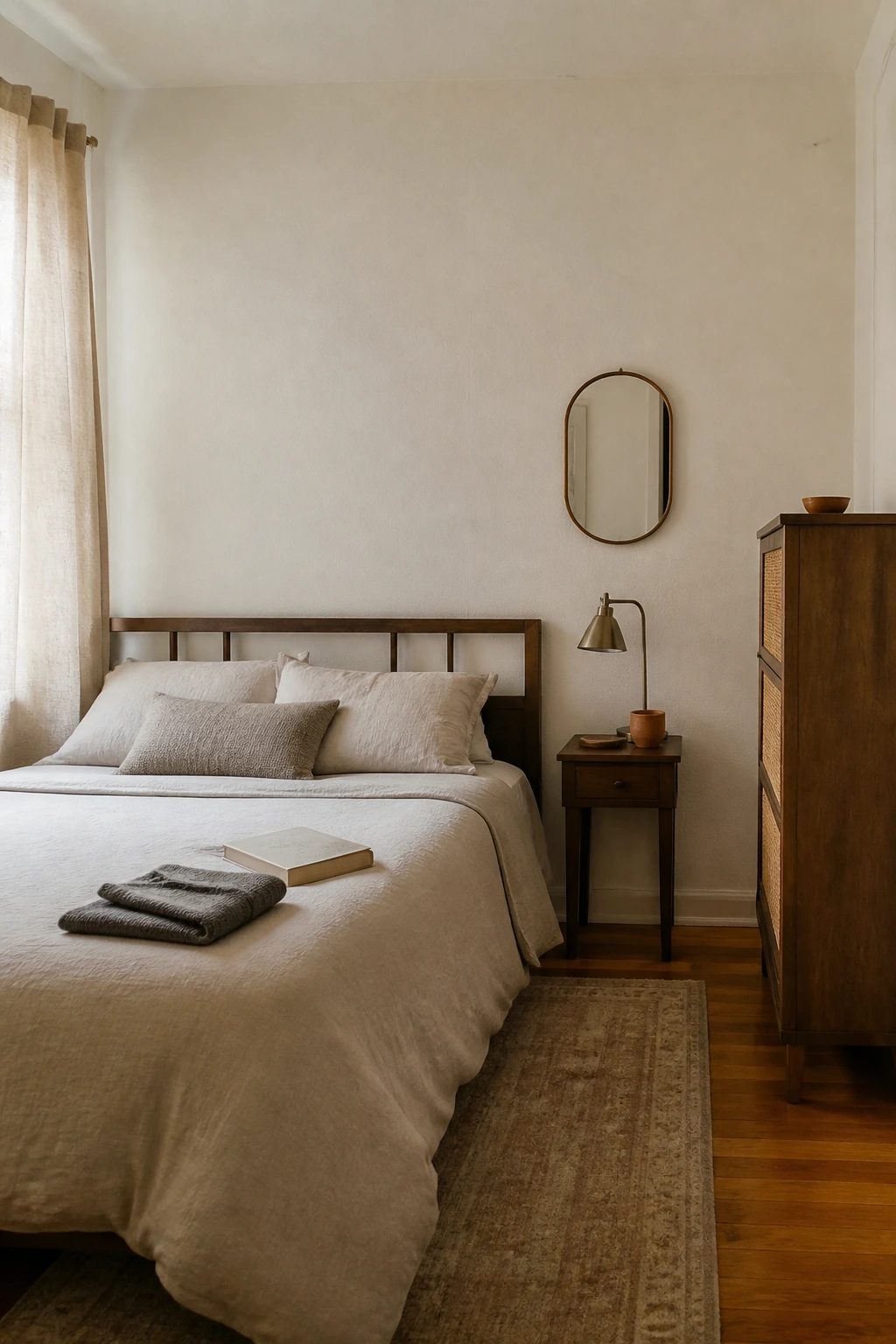
The most effective, space-efficient solution is to utilize the single largest piece of furniture in your home: your bed.
See the Under-Bed & Closet Buying Guide
1. The 6.5-Inch Under-Bed Measurement Test
A standard queen bed footprint covers roughly 33 square feet of floor area. If your bed frame has at least 6.5 inches of clearance between the carpet and the bottom edge of the side rail, you can slide up to 4 low-profile rolling drawers beneath it.
Look for under-bed storage units with:
- 360° Smooth Casters: Essential for effortless roll-out on thick apartment carpet.
- Dustproof Zippered Lids: Clear PVC windows protect out-of-season sweaters and bedding from dust bunnies while letting you see contents at a glance.
- Reinforced Bases: Prevents sagging when loaded with heavy winter quilts and denim.
2. Double-Rod Freestanding Wardrobe Systems
If your rental has a narrow closet or no built-in closet at all, avoid mounting heavy closet hardware to rental drywall.
Instead, assemble a heavy-duty freestanding double-hang garment rack. By splitting hanging space into two tiers (upper bar for shirts and blouses; lower bar for folded pants and skirts), you double your closet capacity in a compact 45-inch by 19-inch floor footprint.
3. The Seasonal Wardrobe Rotation Rule
Never attempt to keep 100% of your wardrobe on hangers simultaneously in a small apartment closet.
Adopt a biannual rotation: in October, pack summer dresses, shorts, and swimwear into breathable under-bed bins. In April, swap them out for heavy wool sweaters and winter parkas. Keeping only the current season active in your main closet prevents crowded hangers and wrinkled clothing.